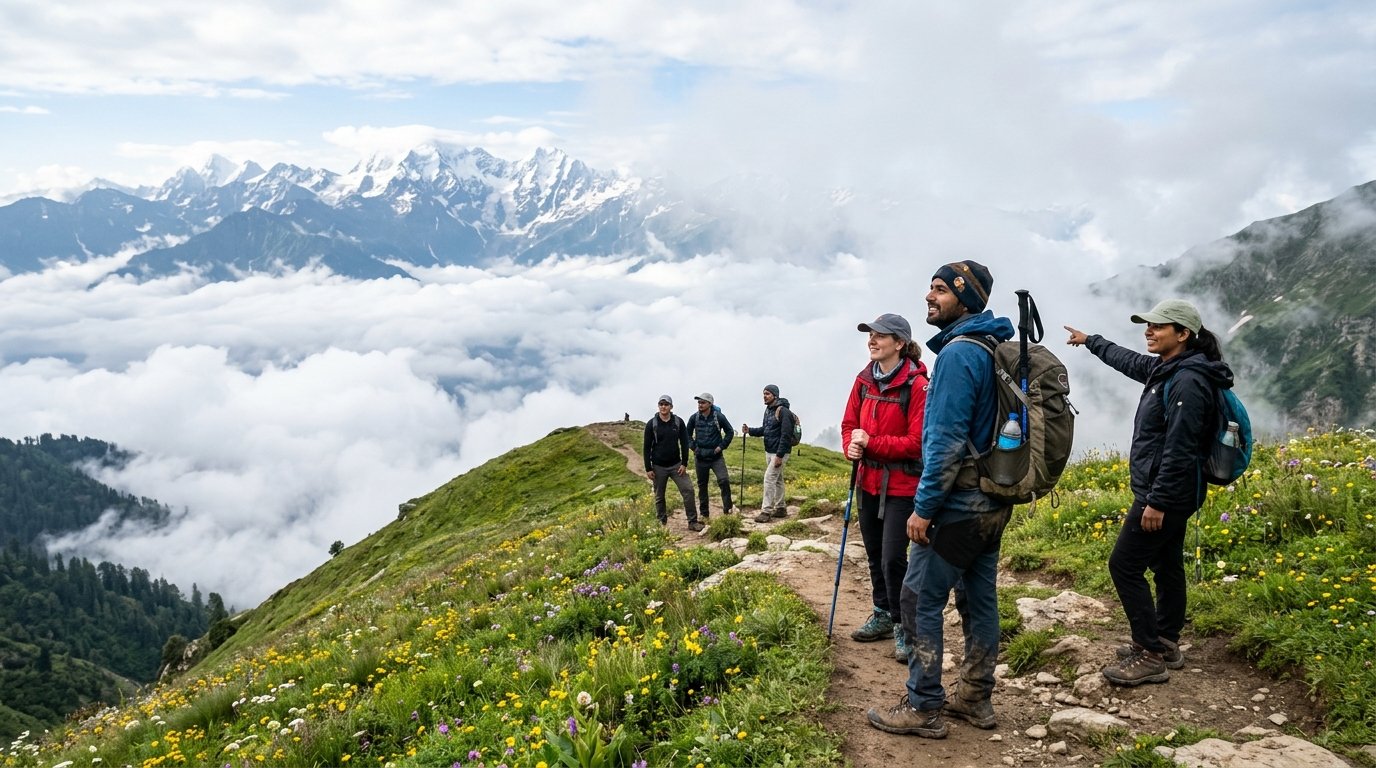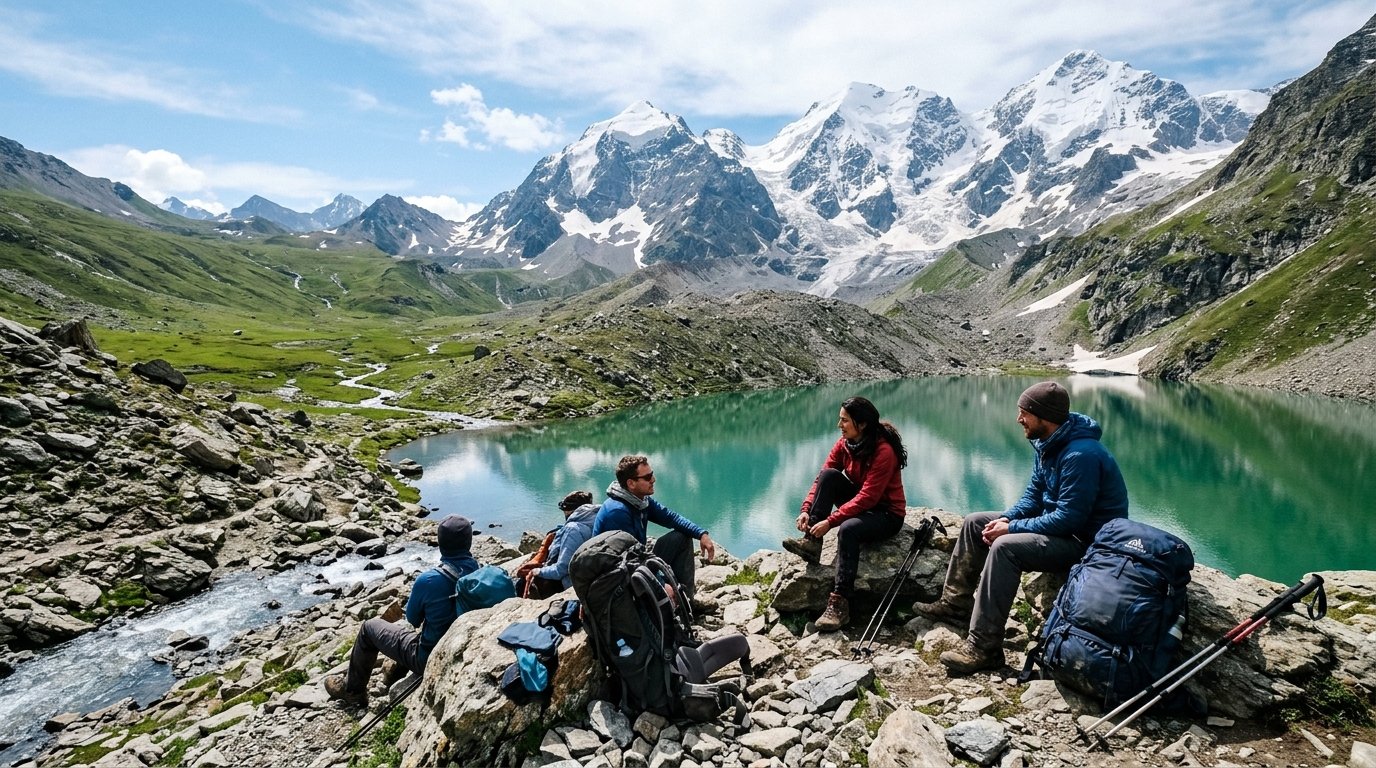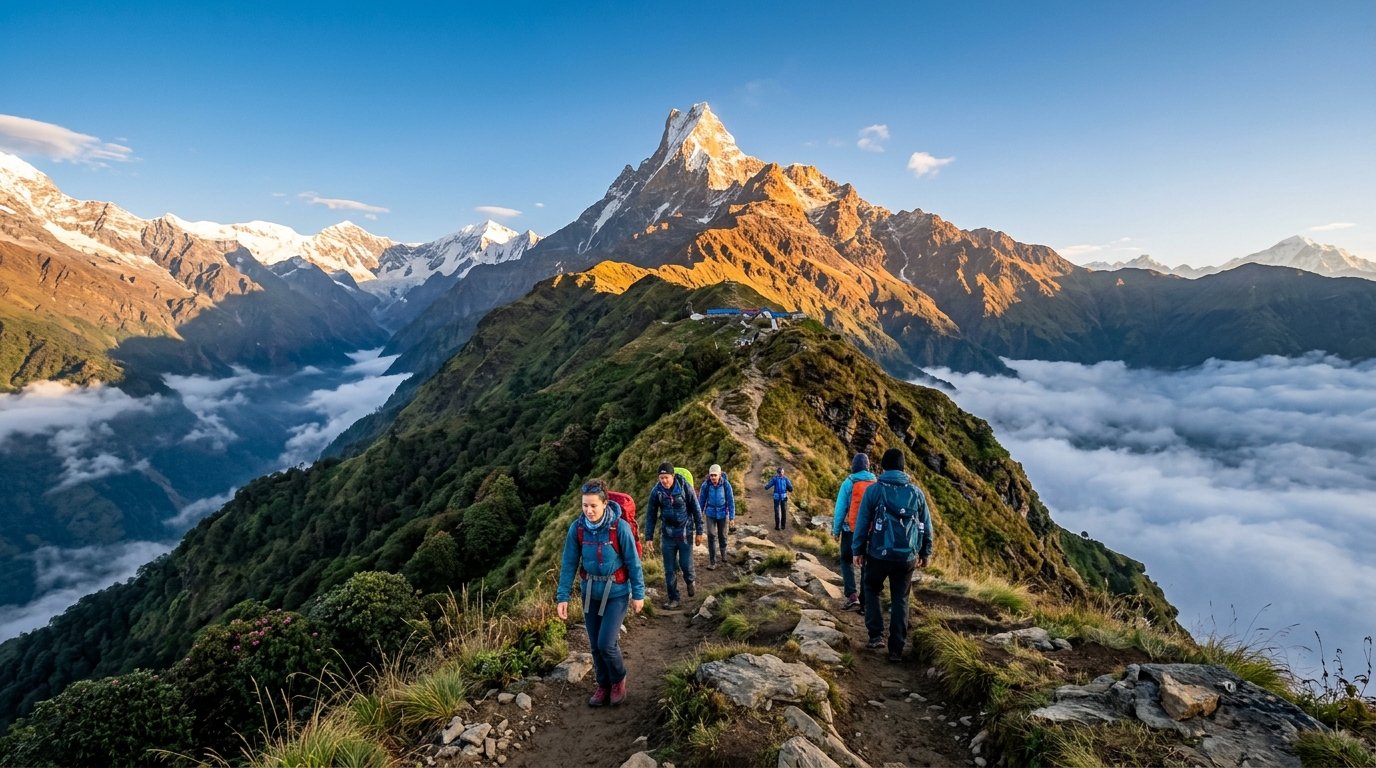
Kiager Ri is a mountain of wide horizons. There are no crowded market towns on the approach and no forested valleys softening the landscape. Ladakh’s Changthang plateau feels open, dry and exposed, with light that makes distant ridges appear close enough to touch. In winter, that openness becomes severe: frozen ground, deep cold and wind turn a compact expedition into a serious test.
The name appears in several spellings—Kiager Ri, Kiagar Ri and Kyagar Ri—and its elevation is generally described as approximately 6,100 metres. The peak lies in the high-altitude landscape associated with the Kyagar Tso and Tso Moriri region. That starting environment is already higher than many Himalayan summits, which makes acclimatisation the first challenge before climbing begins.
Why Climbers Choose Kiager Ri
Kiager Ri attracts people who want a first or early 6,000 m experience away from the best-known commercial peaks. The normal objective may be labelled non-technical or introductory in favourable conditions, but those words need context. Snow angle, hard ice, wind, temperature and glacier condition can demand crampon efficiency, rope movement and confident use of an ice axe.
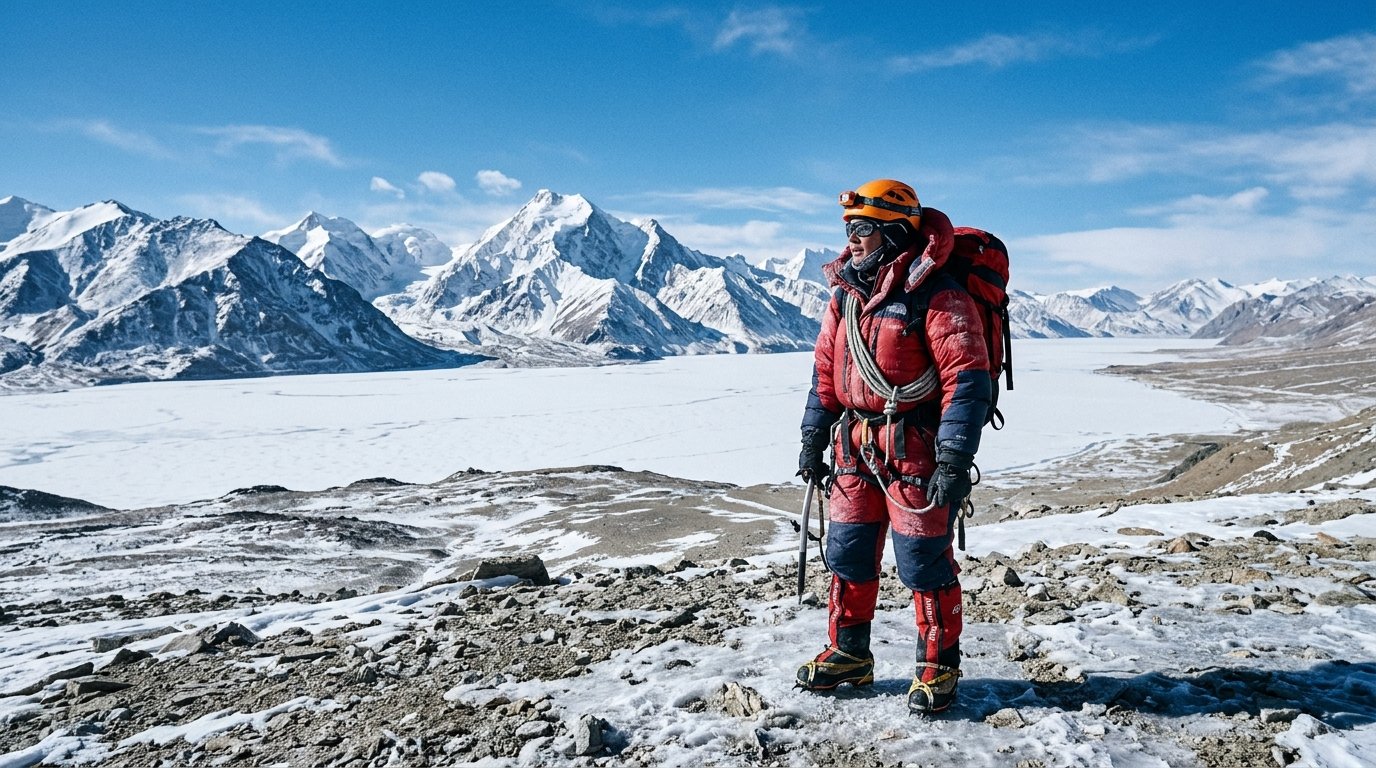
In winter, the expedition becomes substantially more demanding. Equipment performance changes in extreme cold, simple camp tasks take longer, and exposed skin can become a medical issue quickly. Winter Kiager Ri should be treated as a cold-weather mountaineering objective, not a shortcut to a 6,000 m certificate.
Acclimatisation Begins in Leh
Flying directly to Leh places the body at significant altitude within hours. The first days should be deliberately quiet: hydration, rest, gentle walks and health monitoring. Feeling energetic is not proof that the body has adjusted.
The drive toward Changthang crosses an increasingly remote landscape. Depending on the programme and local access, teams establish a base and prepare for training, load movement and a summit attempt. Itinerary details should remain flexible because road access, snow and weather can change the operational plan.
What Summit Day Demands
The climb may involve frozen moraine, scree, snow slopes and long movement above 5,500 metres. At that height, even a simple gradient feels different. Breathing is slower, gloves reduce dexterity and every adjustment costs time. Climbers must be comfortable following a steady pace rather than reacting to the summit with a burst of speed.
Skills sessions should cover crampon technique, ice-axe use, rope discipline, self-arrest and cold-management systems. In winter, boot warmth, glove layering and face protection deserve the same attention as climbing hardware.
Who Is Ready for Kiager Ri?
A suitable candidate has completed at least one demanding high-altitude trek and ideally has previous snow or mountaineering exposure. Strong cardiovascular fitness is essential, but so is the ability to stay organised when tired and cold.
Prepare with long aerobic sessions, loaded uphill walking, leg and core strength, and consecutive training days. Practise eating and drinking while moving. Many high-altitude attempts are weakened by poor fuelling rather than a lack of courage.
Choosing the Right Season
Summer and post-monsoon conditions differ greatly from a winter ascent. A warmer-season climb may offer more manageable temperatures, while winter creates a specialised objective with potentially extreme cold. The operator should clearly identify which version is being offered, the expected equipment standard and the experience required.
A Mountain That Rewards Restraint
Kiager Ri can tempt climbers because its programme looks short on paper. The mountain does not care about the page count. Safe progress depends on prior acclimatisation, conservative decisions and the willingness to turn around when cold, wind or health crosses the line.
Peak Core India treats Kiager Ri as an expedition, not an altitude claim. Speak with our team about your climbing history so we can recommend the appropriate season, training plan and batch.