Manali is famous for mountain views, but the busiest roads do not always lead to the best ones. The Rani Sui Lake trek climbs away from the town through old forest and reaches the open meadows of Lama Dugh before continuing toward a quiet high-altitude lake and ridge system.
The lake is generally placed at around 3,400 metres, although online references vary because different route points and map labels are sometimes used. That variation is a useful reminder: in the mountains, the experience matters more than turning every landscape into a number.
The Climb to Lama Dugh
A common route begins above Old Manali near the Hadimba or Dhungri side and climbs steadily through deodar, pine and oak forest. The first hours can feel surprisingly steep. Gaps between the trees reveal Manali and the Beas Valley far below, while the forest keeps the trail cool and quiet.
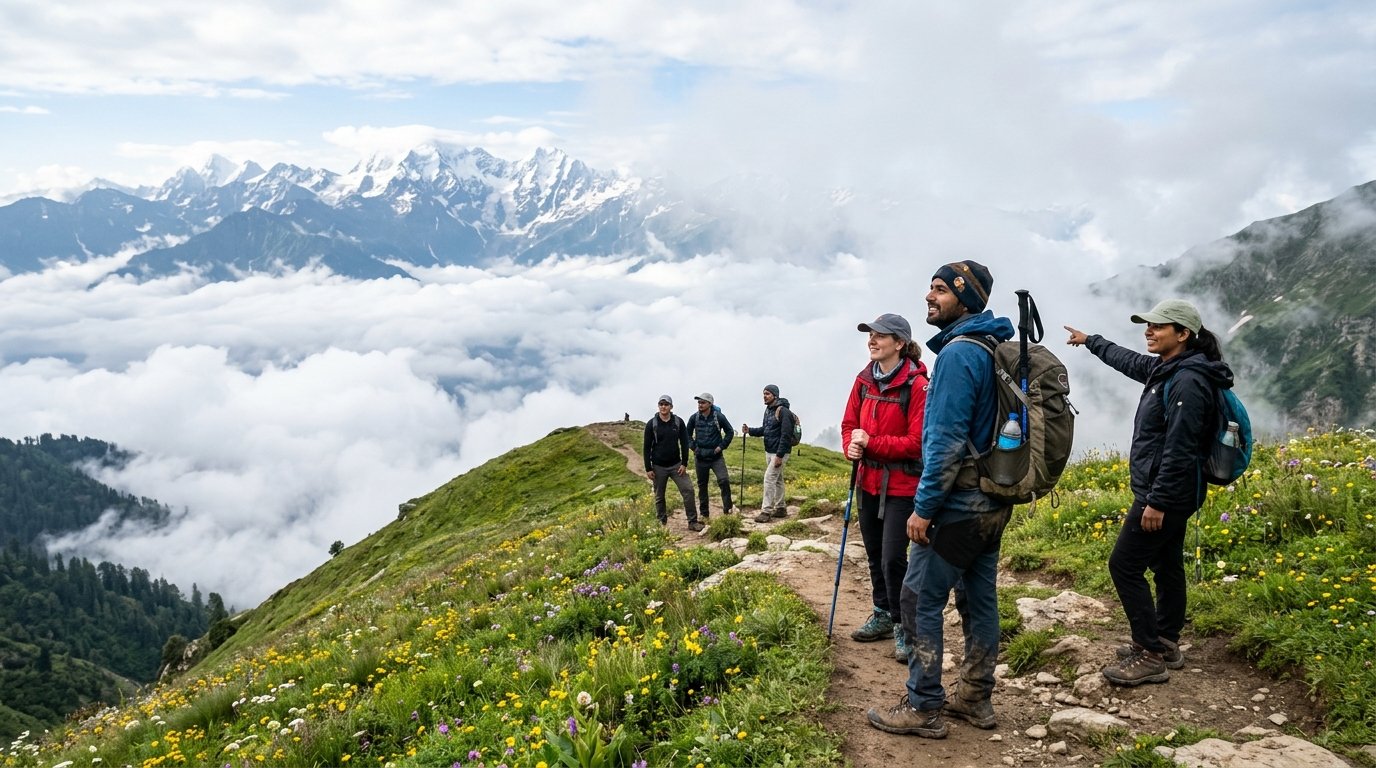
Lama Dugh is the first big reveal: a broad alpine meadow with views toward the Pir Panjal and surrounding Manali peaks. Shepherd activity may be visible during the grazing season. Camps should be placed carefully and managed with respect for water sources and local use.
The Day to Rani Sui
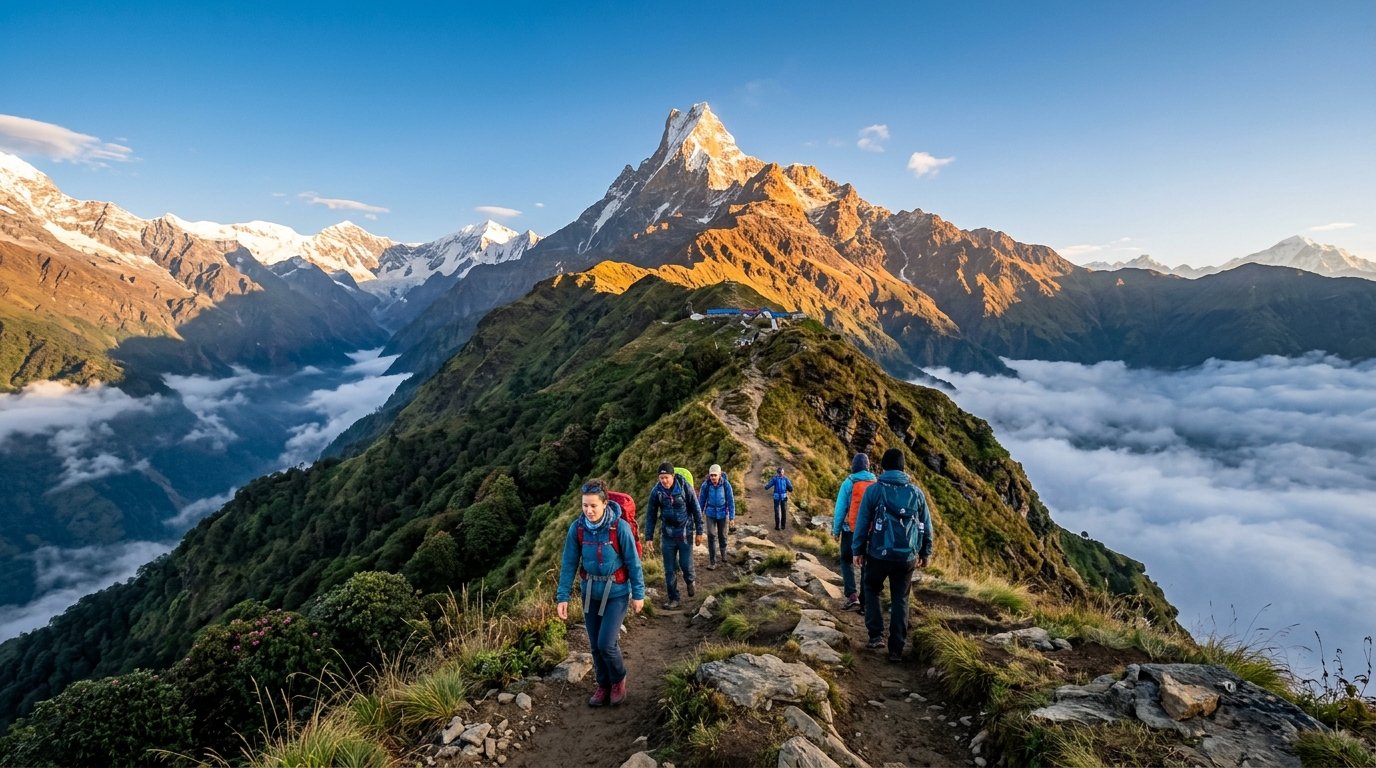
From Lama Dugh, the trail climbs toward higher meadows and ridges. Depending on the selected route, weather and team ability, the day to the lake can be long. Views may include Deo Tibba, Indrasan, Hanuman Tibba and the wider Kullu landscape.
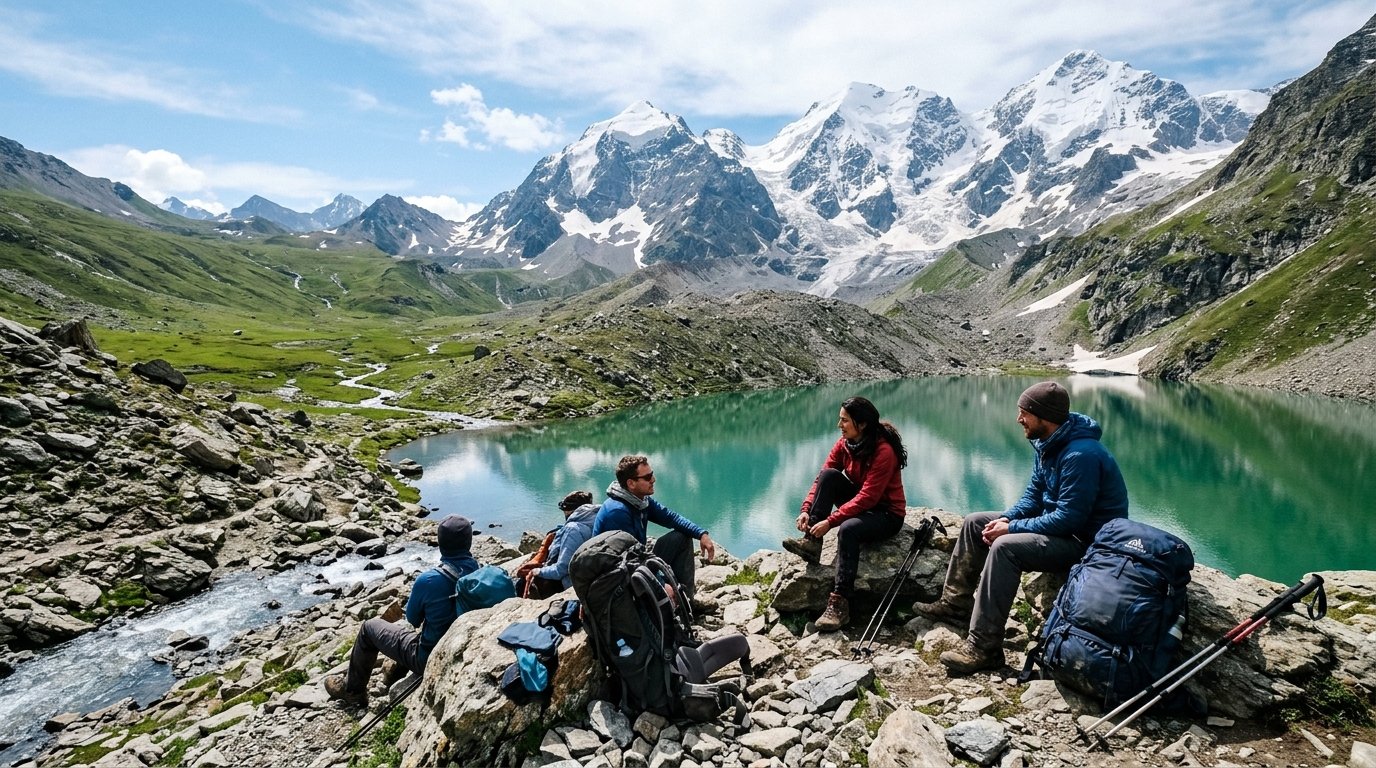
The lake itself is understated. There are no cafés, railings or ticket counters—only open ground, changing cloud and a sense of distance from the town below. Snow can cover or surround the area early in the season, while summer and autumn reveal a softer meadow landscape.
Is Rani Sui a Beginner Trek?
The trek can suit beginners with basic fitness, but it should not be sold as a casual picnic. The ascent from Manali is sustained, and the lake day may involve significant distance and uneven trail. Rain makes forest sections slippery; snow can hide the route higher up.
Prepare with regular walking and stair climbing for three to four weeks. Trekking poles help on the descent, which often feels harder on the knees than the climb.
Best Time to Visit
Late spring to early summer and the post-monsoon autumn are common choices, depending on snow and local weather. Summer brings green meadow conditions but also the possibility of rain. Autumn often offers clearer skies and cooler nights. Winter transforms the route into a snow trek that requires different equipment, experience and risk assessment.
Do not rely on a “best month” promise. Ask about current trail conditions, water availability, forest permissions and the recommended camp plan.
A Better Way to Experience an Offbeat Trek
Offbeat places remain special only when groups behave differently from crowds. Keep music low, avoid single-use plastic, do not leave tissue or food packaging, and give grazing animals space. Local stories about the lake and surrounding landscape should be heard respectfully rather than rewritten as certainty for social media.
Why Rani Sui Works for a Short Escape
The trek combines forest, meadow, camp life and a high ridge without demanding a long holiday. It feels close to Manali geographically and far from it emotionally. For college groups, first-time campers and friends looking for a quieter trail, that combination is difficult to beat.
Peak Core India organises Rani Sui with small-group attention, clean-camp practices and a pace that lets people enjoy the landscape. Message us for current dates and the route plan best suited to your group.