Ladakhi Peak Mountaineering Expedition
Step onto technical glacier cols above the Beas Kund amphitheatre.
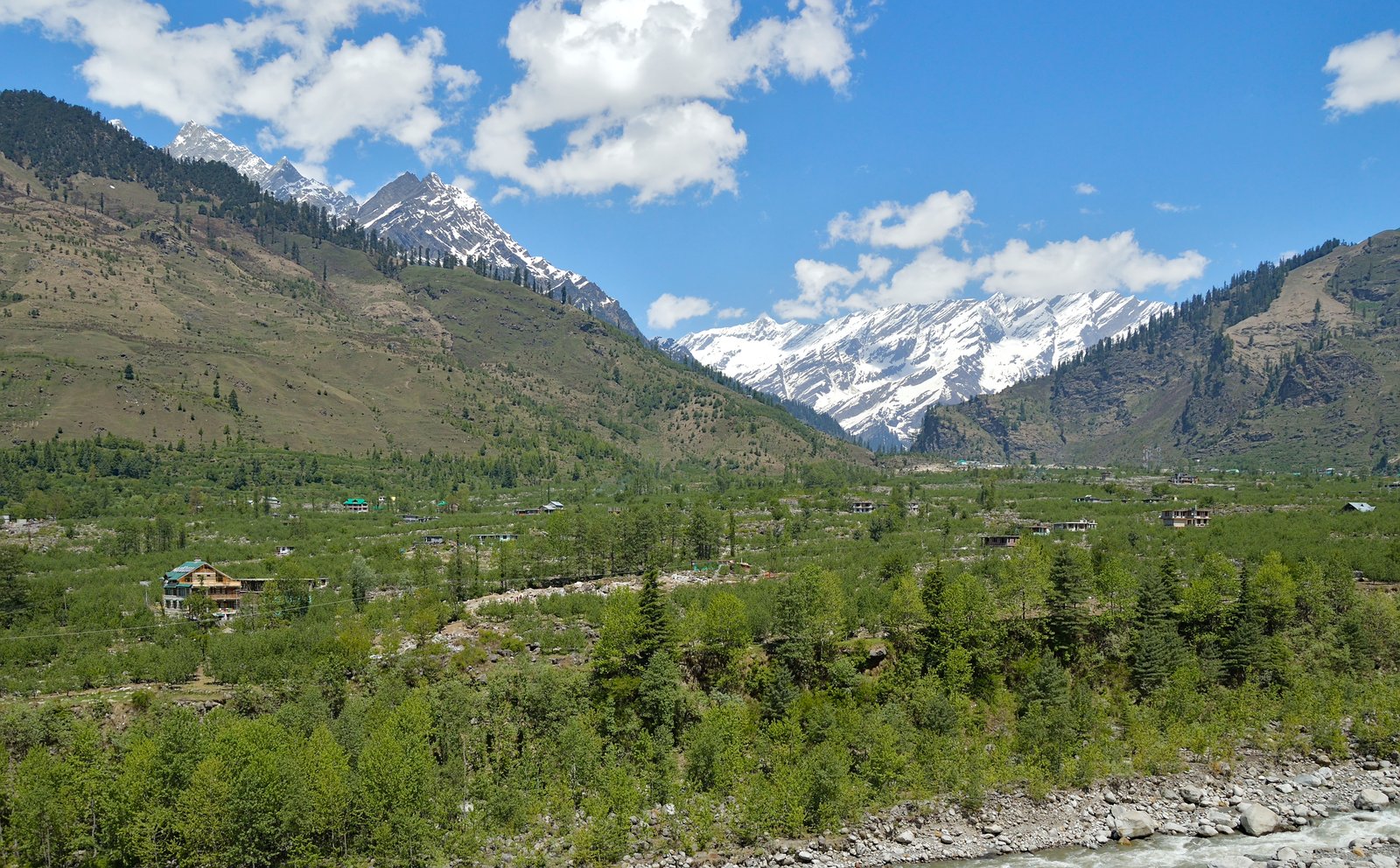
Ladakhi Peak is approached from Manali through Solang and Dhundi into the upper Beas valley. The landscape changes quickly: forest and grazing grounds give way to moraine, snow and exposed high-altitude terrain around the Beas Kund sector. The climb is a transition from trekking into organised mountaineering. Participants must follow a rope-team system, carry personal equipment, manage cold camps and remain comfortable when the plan changes. Acclimatisation, equipment inspection, skills validation, load ferry and staged camp movement are part of the expedition—not optional filler.
Authentic Expedition Gallery

Ladakhi Peak (5,345 m) Glacier Col & Ridge
Climbers moving on fixed ropes across the crevassed glacier col between Shitidhar and Ladakhi Peak.

Beas Kund Upper Glacial Shelf
Spectacular glacial shelves beneath the towering pyramid of Hanuman Tibba.
Interactive Altitude Curve (1,000m to 5,345m)
Between Trekking & True Mountaineering
Ladakhi Peak is approached from Manali through Solang and Dhundi into the upper Beas valley. The landscape changes quickly: forest and grazing grounds give way to moraine, snow and exposed high-altitude terrain around the Beas Kund sector. The climb is a transition from trekking into organised mountaineering. Participants must follow a rope-team system, carry personal equipment, manage cold camps and remain comfortable when the plan changes. Acclimatisation, equipment inspection, skills validation, load ferry and staged camp movement are part of the expedition—not optional filler.
A commanding 5,345m peak situated adjacent to Friendship and Hanuman Tibba, offering genuine roped mountaineering, load ferries and high-altitude glacier camps.
A Learning-Led Expedition
This programme is for people who want more than a photo at altitude. Carry your personal responsibility, practise the systems that protect the rope team, and understand why turning around can be the strongest mountaineering decision of the day.
A Progression, Not a Shortcut
The programme creates deliberate time for assessment, acclimatisation and technical snow training before the summit push.
A Clear Mountain Story
Move from lower valley approach routes through high moraines, intermediate camps and high Himalayan ridge lines on Ladakhi Peak Mountaineering Expedition.
Decisions Led by Conditions
Route, camp position, departure time and turnaround point remain operational decisions—never compromised by ego.
A True Team Experience
Learn camp discipline, gear care, pacing and rope-team responsibility rather than being treated as passive passengers.
Detailed Alpine Itinerary
10 Days / 9 Nights • Total Distance: 34 km • Max Elevation: 5,345 m (17,536 ft) [Provisional]
Arrival in Manali (2,050 m) — Orientation & Equipment Inspection
Arrive in Manali and meet the expedition leadership team. Technical gear audit of crampons, boots, harness, helmet, and ice axes followed by an altitude orientation walk.
Drive from Manali to Dhundi & Trek to Bakarthach (3,300 m)
Trek from Bakarthach to Lady Leg Base Camp (3,850 m)
Alpine Training & Glacier Footwork Rehearsal
Load Ferry to Summit Camp / Col (4,600 m) & Return
Move to Summit Camp (4,600 m)
SUMMIT PUSH: Summit Camp to Ladakhi Peak (5,345 m) & Return to Lady Leg
Contingency Weather Reserve Day 1
Contingency Weather Reserve Day 2
Lady Leg Base Camp to Dhundi & Drive to Manali
Fixed Departure Dates & Batches
Small-group alpine integrity (Max 8 climbers per batch) with guaranteed departure schedules.
Custom & Rolling Dates Available
We operate weekly scheduled batches throughout the active climbing season. Connect with our expedition desk to lock your dates or join an existing rope team.
Inquire Departure ScheduleGlacier Movement & Fixed Line Lab (Day 4)
Before anyone steps onto high snow slopes or summit ridges, our expedition leaders conduct hands-on technical rehearsals on appropriate snow slopes:
Summit-Day Decision System
Reaching the summit is secondary to returning safely to basecamp. Our expedition leaders operate under clear, non-negotiable safety criteria:
Regardless of proximity to the summit, any team that has not reached the top by 10:00 AM must reverse direction immediately before afternoon snow softens or summit storms develop.
Guides monitor coordination, cognitive alertness, and breathing. Anyone exhibiting AMS, ataxia, or severe exhaustion is turned around with an assigned guide.
If summit day faces high winds, heavy snow, or zero visibility, the attempt is called off and rescheduled to the reserve buffer day if mountain weather permits.
Suggested 8-Week Mountaineering Preparation
Build Aerobic Baseline & Heavy Pack Conditioning
Best Seasons & Mountain Weather
Firm Snow & Snow Bridges
Abundant firm snow cover across high camps, col and summit slopes on Ladakhi Peak Mountaineering Expedition. Ideal for crampon step-kicking.
Day: 8°C to 15°C · Night: -5°C
Pleasant lower valley temperatures with cold sub-zero nights at High Summit Camp.
Clear Early Mornings
Alpine starts at 02:00 AM capitalise on crisp, stable weather windows before afternoon convective clouds form.
Field, Clothing & Technical Equipment
Expedition Inclusions & Exclusions
- Personal Travel: Airfare, railway tickets, or road transport to and from the reporting hub (Manali / Leh / Kathmandu) prior to Day 1 and after the trip conclusion.
- Mandatory Insurance: Comprehensive mountaineering and travel insurance covering high-altitude medical treatment, search & rescue, and helicopter evacuation up to the peak altitude.
- Personal Technical Clothing: High-altitude down suit/jacket (-20°C rated), rigid mountaineering boots, thermal base layers, GORE-TEX outer shell jacket/pants, category 4 glacier sunglasses, and summit down mittens (rental assistance available).
- Personal Porter Offloading: Porterage charges for carrying personal backpack/rucksack during the approach and climb (standard porterage applies only to group gear and basecamp equipment).
- Town Meals & Lodging: Meals and hotel accommodations in town outside the specified itinerary days, or expenses incurred during extended stays due to personal schedule changes.
- Unforeseen Force Majeure Costs: Additional expenses resulting from natural roadblocks, landslides, avalanches, adverse weather delays, flight cancellations, or political strikes.
- Voluntary Early Descent: Any costs incurred if a climber chooses to return early or is evacuated due to AMS, exhaustion, illness, or personal reasons.
- Staff Tips & Gratuities: Discretionary tips for climbing guides, high-altitude sherpas, camp cooks, porters, and driver team.
- Personal Expenses: Personal snacks, packaged mineral water, soft drinks, alcoholic beverages, laundry, hot showers, device battery charging fees at lodges, and telephone/internet costs.
Ladakhi Peak Mountaineering Expedition is conducted under Indian Mountaineering Foundation (IMF) and local state forest department guidelines. Peak Core India secures all required clearances, camping permissions, and peak permits.
We operate under strict alpine conservation standards. All solid waste, food packaging, and non-biodegradable materials are segregated, packed out, and transported back for municipal recycling.
Frequently Asked Questions
Ready to attempt Ladakhi Peak Mountaineering Expedition?
Tell us about your trekking history, current training and preferred month. We will help you decide whether Ladakhi Peak Mountaineering Expedition (5,345 m (17,536 ft) [Provisional]) is the right next mountaineering step for you.